I used to dread taking notes. Not because I’m lazy, but because I’d either write too much and lose the point, or write too little and forget everything ten minutes later. Meetings turned into a blur of half-baked bullet points. Class lectures felt like speed-typing tests. And creative ideas? They usually evaporated before I could even open a blank document.
Then I started using Beanly, and something unexpected happened: note-taking became almost fun. No, seriously. The AI didn’t just transcribe—it helped me actually enjoy the process of capturing and organizing thoughts. Here’s how Beanly turned from a tool into my best buddy for notes and creativity.
From Panic to Punchline in Meetings
I’m in a weekly product review where three people talk over each other and no one sticks to the agenda. Before Beanly, I’d leave with a page of scrawled fragments and a headache. Now I just record the session, and Beanly spits out a clean summary with action items and key decisions. The first time I saw it, I actually laughed—out loud, in my home office. It was relief, but also joy. The AI caught a sarcastic remark my colleague made about deadlines and turned it into a neutral note. I edited it back in for fun. That’s the thing: Beanly gives me a solid base, but leaves room for my own color.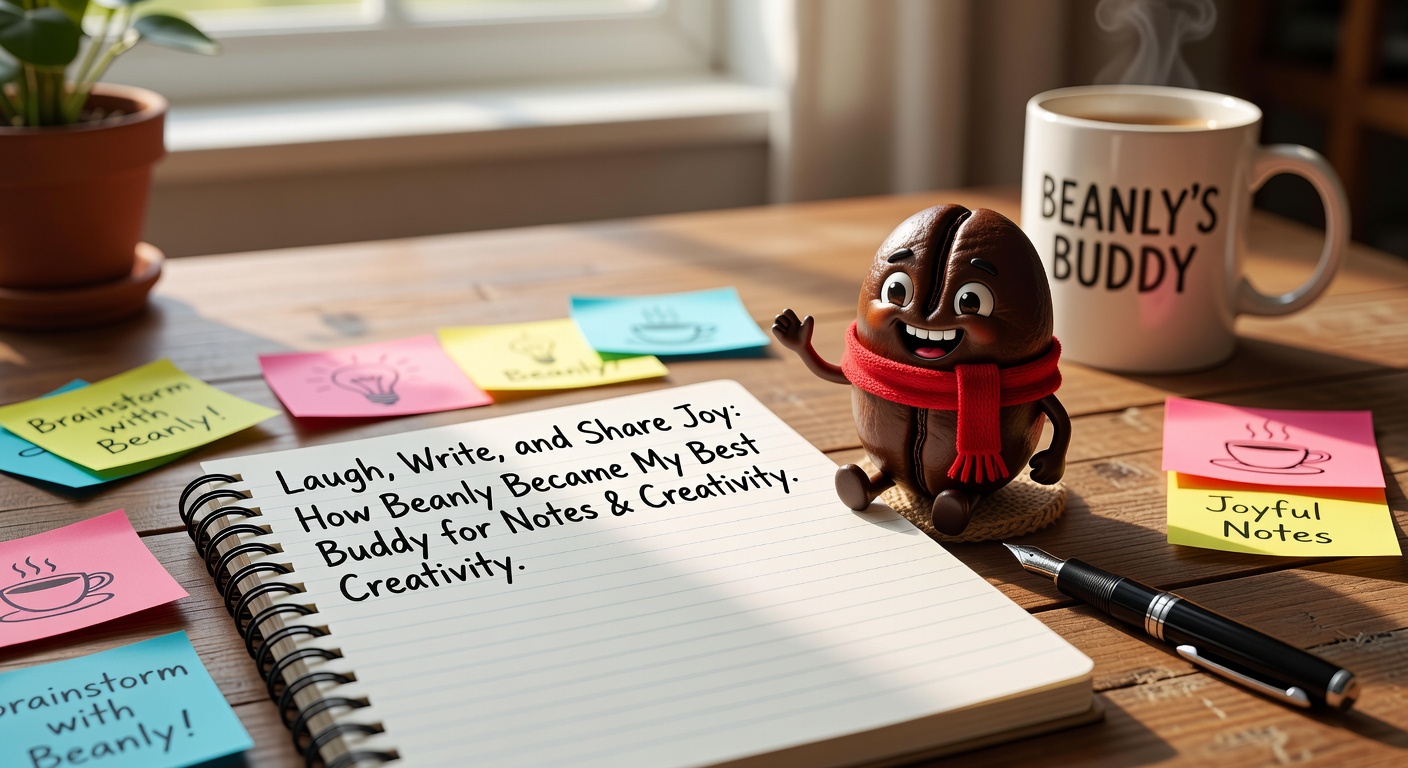
Saving Fleeting Ideas Before They Escape
I often get ideas while walking the dog or cooking dinner. The default reaction used to be “I’ll remember this,” which I never did. Beanly’s voice capture is fast and forgiving. I speak in fragments, change directions mid-sentence, and it still organizes the mess into coherent bullet points. Last week I rambled about a blog post concept while stirring pasta, and ten minutes later Beanly presented a neat outline with a suggested title. That moment felt like magic—pure creative flow with zero friction. The joy came not from the AI doing the work, but from trusting it to handle the clutter so I could stay in the moment.
Sharing Summaries That Actually Get Read
After a research interview for a side project, I used Beanly to create a summary and shared it with two collaborators. They both replied within the hour, saying, “This is exactly what we needed.” Usually my shared notes are either too dense or too vague. Beanly struck a balance: clear, short, and slightly informal. One collaborator even joked that my notes “sounded like a human now.” That’s the shared joy—the summary became a conversation starter rather than a chore to wade through.
What Beanly Doesn’t Do (And Why That’s Okay)
Beanly isn’t perfect, and pretending otherwise would be dishonest. Sometimes the summaries miss nuance: a heated debate gets flattened into neutral bullet points, or a technical term gets mangled. For deeply emotional conversations or highly specialized jargon, I still fall back on manual notes and my own judgment. Also, if you prefer total creative control and a more traditional journaling experience, an AI summary might feel like a shortcut that skips the thinking part. But I’ve learned to treat Beanly as a second brain, not a replacement for mine. The tradeoff is worth it for the hours saved and the spontaneity regained.
If you’re drowning in notes and craving a little more joy in the process, give Beanly a try. It won’t write your memoirs or replace deep reflection, but it will free up mental bandwidth so you can actually laugh, write, and share the ideas that matter.
Comments
Leave a Comment