Some days you're in back-to-back meetings, scribbling half-sentences on a notepad you'll never look at again. Other days you're deep in a research rabbit hole with seventeen tabs open and no clear way to pull it together. Beanly Notes is built for exactly that kind of scattered, real-life information overload.
What Beanly Actually Does
At its core, Beanly lets you capture notes — from meetings, classes, or research sessions — and then uses AI to organize and summarize them. Paste in a long transcript or a wall of text, and it condenses it into something readable in seconds. It's not trying to replace your thinking; it's handling the part where you'd normally spend twenty minutes reformatting your own notes.
The summarization is genuinely fast. Drop in a dense meeting recap or a lecture recording transcript, and Beanly surfaces the key points without you having to skim through everything twice.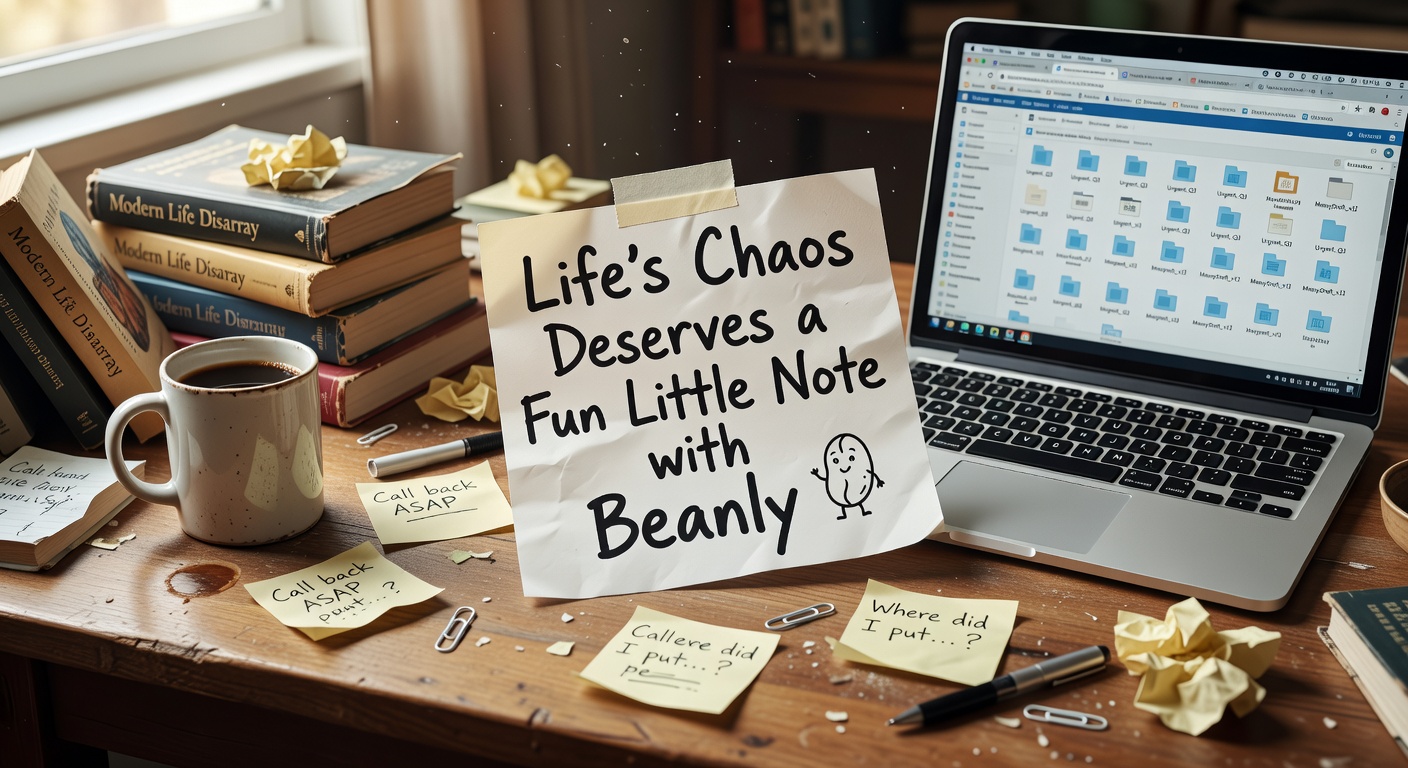
Where It Fits Into Real Life
A few scenarios where Beanly makes a noticeable difference:
- Post-meeting cleanup: You took fragmented notes during a call. Beanly helps you turn that mess into a clean summary you can actually share or act on.
- Research sessions: You've collected a pile of notes from different sources. Beanly helps you organize them into something coherent instead of leaving them as a dump.
- Class notes: Long lectures with a lot of detail — Beanly can compress the key ideas so reviewing later takes less time.
- Quick idea capture: You have a thought mid-day. Drop it in, and it stays organized rather than getting buried.
Honest Tradeoffs to Consider
Beanly works best when you're feeding it reasonably structured input — a transcript, a set of bullet points, a block of research notes. If your notes are extremely fragmented or context-dependent, the AI summaries may miss nuance that only you would catch. It's a tool for reducing friction, not for replacing judgment on complex material.
It's also worth being realistic about fit. If you already have a note system that works — whether that's Notion, Obsidian, or even a paper notebook — Beanly isn't a full replacement. It's more useful as a layer on top of your existing capture habit, specifically for the summarization and organization step that most people skip or do poorly under time pressure.
The Practical Case for Using It
The appeal isn't novelty — it's time. The gap between "I took notes" and "I have something useful" is where most information gets lost. Beanly closes that gap without requiring you to build a new system from scratch. For anyone who regularly sits through long meetings or processes a lot of written content, that's a real, recurring problem worth solving.
If your notes tend to pile up unreviewed, or you find yourself re-reading the same content just to extract the main points, Beanly is worth trying. It won't fix chaos entirely, but it makes the chaos a little easier to work with.
Comments
Leave a Comment